 Immediate in store
withdrawal
Withdraw as of now your products in this store

Filter
Coros
IGPSPORT
Polar
Wahoo Fitness
Black Week
New in
Bestseller
Bestseller
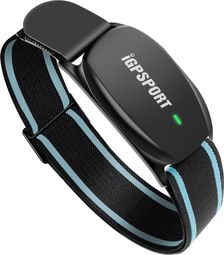
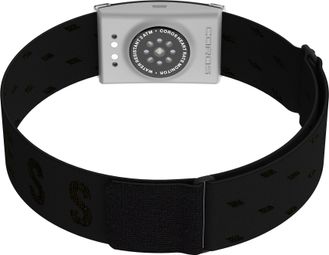
Sold by Alltricks
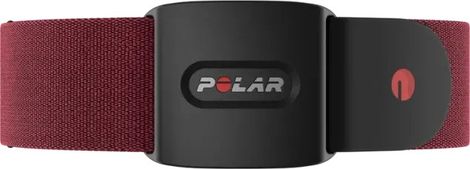
 4.5/5(60)
Sold by Alltricks
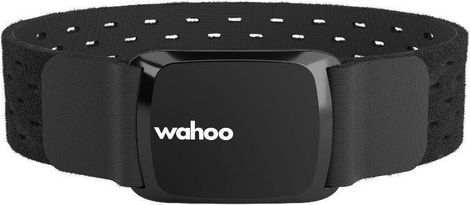 4.6/5(15)
Sold by Alltricks
You have viewed 9 products out of 9
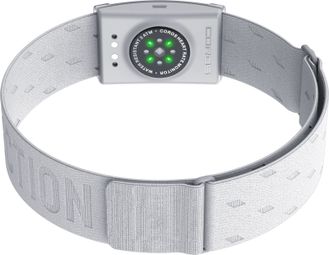
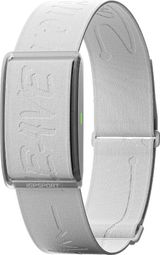
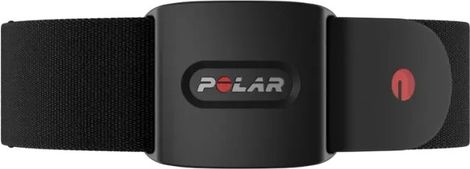
Heart rate armband: unlike a chest strap, this optical sensor is worn on the arm and measures heart rate through contact with the skin. It sends the data to a compatible watch, bike computer or app, depending on the available protocols. When choosing, compare fit, connectivity, battery life and recording features above all.
A heart rate armband tracks your heart rate in real time during a ride, a run or an indoor workout. This data lets you follow how your effort changes on a connected device and, if it allows, review it after the session. The armband is usually worn on the bicep or forearm, where the sensor stays in contact with the skin. It is an alternative to a chest strap if you prefer a device worn on the arm.
The optical sensor suits athletes who want to avoid a strap around the chest or who already use a compatible bike computer and watch. Comfort depends on adjustment, however: the armband must stay firmly in place without squeezing the arm too much. A fit that is too loose can let light in between the sensor and the skin and affect the signal.
PPG (photoplethysmography) measurement uses light to observe changes in blood flow under the skin and work out heart rate. Multi-channel sensors combine several light sources and photodetectors to pick up the signal. In practice, measurement quality also depends on the sensor's position, its contact with the skin and how stable the armband stays during movement.
The value shown is the number of heartbeats per minute and can be sent live to a compatible device. To follow a session, check that your heart rate appears on the chosen screen and that transmission stays active throughout your effort. Optical sensors do not measure the same thing as a chest strap: if you compare the two, slight differences may appear, especially when fit or movement disrupts the signal.
Bluetooth generally lets you send your heart rate to a compatible watch, smartphone or training app. ANT+ is another protocol commonly used with bike computers, sports watches and some fitness equipment. Having both technologies widens your connection options, but the receiving device must support the chosen protocol and the heart rate profile.
Depending on the sensor, several devices can receive the data at the same time; the number of connections allowed varies. This is useful, for example, if you want to display your heart rate on both a bike computer and a watch. A heart rate armband may also offer internal memory to record a session without live transmission and review the data afterwards: look for this feature if you train without a phone or watch.
Stretch fabric or breathable mesh moves with you and adds to comfort on long outings. The size should match your arm circumference; some armbands come in several sizes, others with an adjustable strap or in one size. A sensor designed for the bicep will not necessarily adjust the same way as one worn on the forearm, so follow the recommended wearing position for stable contact.
A removable sensor makes it easier to clean the strap after sessions, but care instructions depend on the materials. Remove the electronic unit before washing the fabric if the design allows, and follow the product's instructions. For activities in the rain or swimming, check the stated water resistance rating: IP and ATM ratings are not interchangeable.
Stated battery life varies by sensor and conditions of use. For frequent outings or long sessions, compare the stated operating hours and charging time. Rechargeable armbands use USB-C or a magnetic cable, among others; also check whether battery level can be viewed in the paired app or watch.
Automatic start when worn saves you having to switch the sensor on manually before each session. Other features may include status lights, a heart rate alert or different sports modes. These options meet different needs: an alert can help you spot when you cross a set zone, while an indicator light lets you check connection status without looking at your phone.
For cycling, choose a connection compatible with your bike computer and watch, especially if you want to see your heart rate on both. For running, pay attention to the strap's adjustment and how well it stays in place with repeated arm movement. For indoor use, check that the protocol is accepted by the equipment or app you use, and look for simultaneous connections if you follow your data on several screens.
If you swim, choose a sensor whose water resistance and recording modes suit that use; internal memory can be useful when live transmission is not practical. For regular training, compare battery life, charging type and how easily the strap can be removed. Before buying, check compatibility with your device and the stated arm circumference range: two practical criteria to avoid connection or fit problems.
No, the watch must be able to receive heart rate via the protocol the sensor offers, Bluetooth or ANT+. Check the stated compatibility of both devices before pairing them.
It depends on the armband's design: some are made for the bicep, others for the forearm. Either way, the sensor must stay in steady contact with the skin and the strap must not slip during exercise.
Yes, if the sensor has internal memory and a standalone recording mode. Without this feature, it must be connected to a compatible device or app to track and save the data.
Adjust the strap so the sensor stays steady against the skin, without tightening it so much that it restricts movement. If the signal becomes irregular, reposition the armband and check the connection with the receiving device.
We will contact you by e-mail when this item is back in stock.